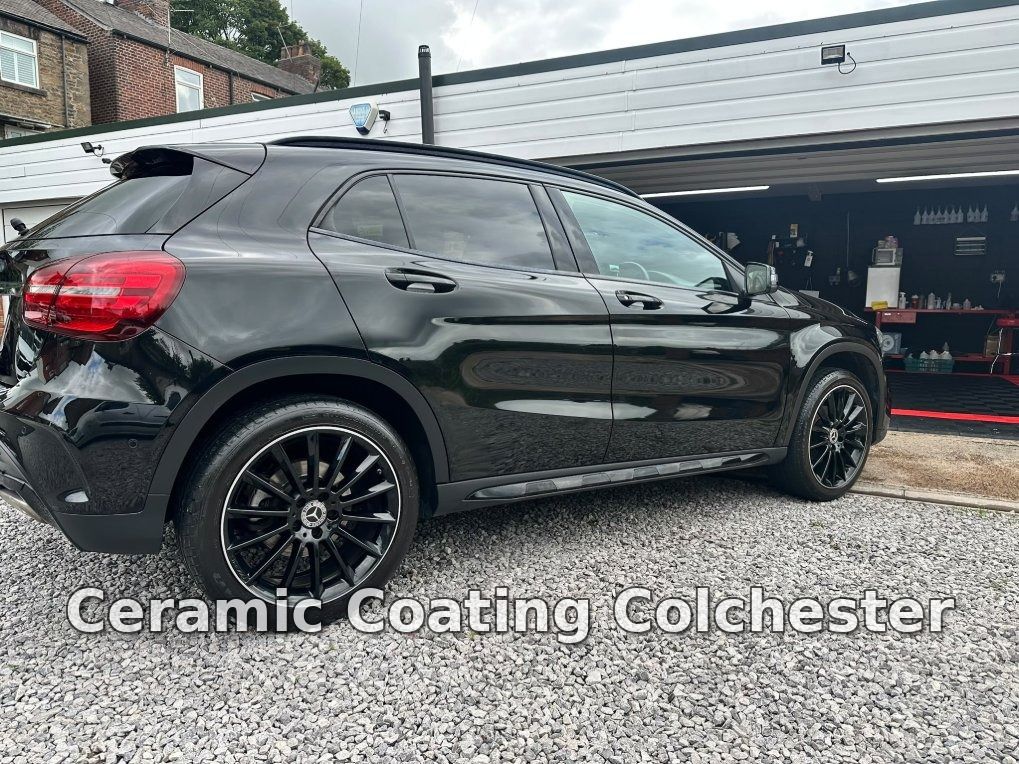
Ceramic coating on a used car: is it worth it?
The direct answer: yes, if the paint is sound or can be corrected — a used car often benefits more visibly from coating than a new one. But coating cannot fix damage, and on a rough car the preparation can cost more than the coating itself. Work through the checklist below before you decide. Background reading: our ceramic coating guide.
TL;DR
- Used cars are often the best candidates — the transformation after correction is dramatic.
- Condition matters, not age or mileage.
- Budget for paint correction: on a used car it is rarely optional.
- Failing clear coat, deep damage, or a soon sale = do not coat.
The condition checklist
Run through these honestly before booking:
- Clear coat integrity. Is the clear coat intact everywhere? Peeling, flaking, or heavily oxidised clear coat cannot be coated — it needs repainting first.
- Swirls and wash marks. Expected on any used car; correctable with machine polishing. This is normal, not a deal-breaker.
- Deeper scratches. Light ones polish out. Scratches you can feel with a fingernail, or that show primer or metal, need paint repair first.
- Stone chips. Common on bonnets and bumpers. Touch them in before coating — coating over open chips seals in bare metal edges.
- Previous paintwork. Resprayed panels can be coated once fully cured, but tell your installer — fresh paint needs time before any coating goes on.
- Dents and trim damage. Cosmetic, but coating will not hide them; decide whether they bother you enough to fix first.
- How long you will keep it. Coating pays back over years. Selling within twelve months? Spend the money on a good detail instead.
The inspection: what a good installer checks first
Before quoting, a reputable installer should inspect your used car under proper lighting — not daylight alone, which hides swirls. Here is what they are looking for, and what each finding means:
- Swirl density and depth — determines whether a single-stage enhancement or multi-stage correction is needed.
- Paint depth readings — a gauge measures clear coat thickness panel by panel, so polishing removes the minimum necessary. Thin readings on a panel mean a cautious approach.
- Previous paintwork — resprayed panels read differently on the gauge and may need extra cure time before coating.
- Stone chips and deep scratches — flagged for touch-in or repair before coating, not coated over.
- Trim and rubber condition — masked or treated appropriately; coating will not fix perished trim.
If an installer quotes your used car a coating price without this inspection — or over the phone from photos alone — get a second opinion. The inspection is also your chance to see the defects yourself under the lights, which makes the quote transparent: you will understand exactly what you are paying to correct.
When a used car is a great candidate
- Paint is sound but dull, swirled, or tired — correction plus coating is transformative.
- You plan to keep the car for several years.
- It is a car you care about: a weekend car, a cherished daily, something you want to preserve.
- The car lives outside — coating's UV and contamination resistance earns its keep fastest on outdoor-kept cars.
When to spend the money elsewhere
- Clear coat is failing anywhere — coating cannot save it, and polishing failing clear coat makes it worse.
- The car has significant unresolved damage — repair first, coat later.
- You are selling within the year — a thorough enhancement detail gives better return per pound.
- The car's value does not justify the spend — be realistic about a high-mileage runabout.
What to expect from the process
A used-car coating job is typically a two-part quote: paint correction first, coating second. The correction stage is where the visible transformation happens; the coating locks it in and makes it last. Ask for the two elements priced separately so you understand what each costs — and be wary of any quote that promises a coating on a used car with no correction stage at all.
Our paint correction service in Colchester covers the assessment and correction side; we will tell you honestly whether your car is a good candidate before you commit to anything.
Who this isn't for
Coating a used car is not for anyone hoping it will hide damage, increase the car's value pound-for-pound, or substitute for needed paint repairs. It is a preservation treatment for sound paint — spectacular at that job, useless at any other.
Related reading: paint correction before ceramic coating, how long does ceramic coating last?, ceramic coating maintenance schedule.
Questions, answered honestly
Is it worth ceramic coating an older car?
Can you ceramic coat a car with scratches?
What is the maximum age or mileage for ceramic coating?
Should I fix paint damage before ceramic coating?
Get an honest answer for your car
The right choice depends on your car's paint condition, how you use it, and what you expect protection to do. Call 07778 902278 or use the quote form — if ceramic coating isn't right for your car, we'll tell you that too.