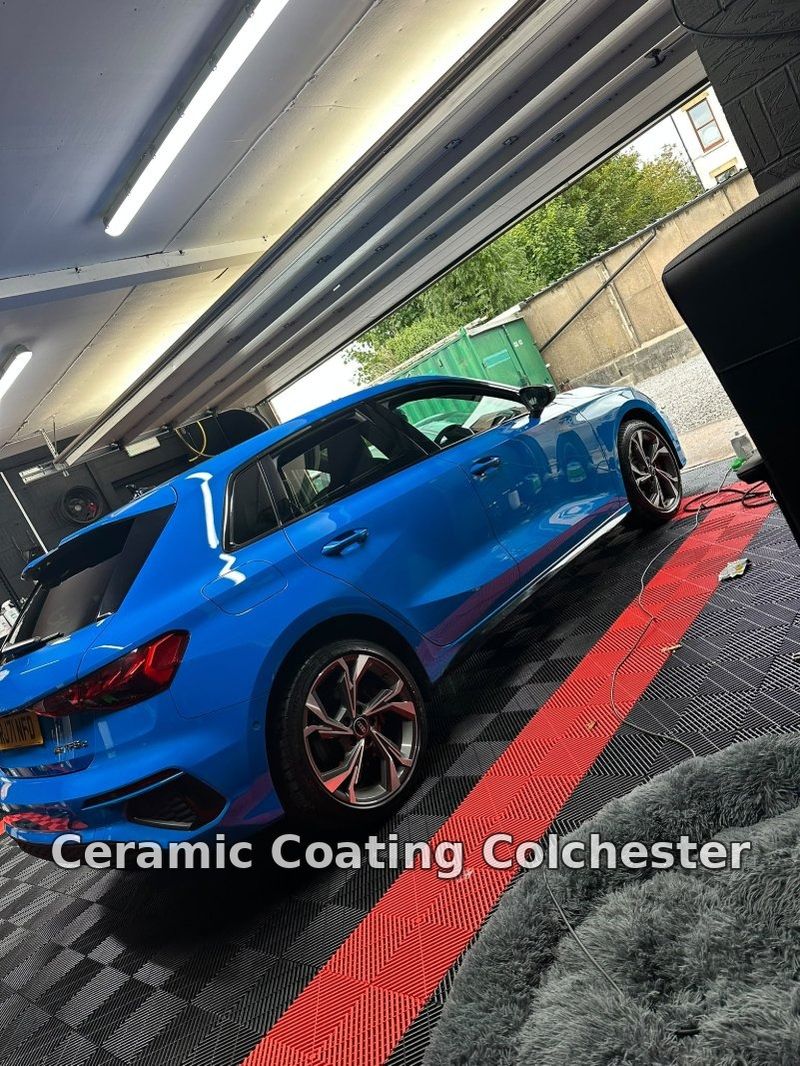
Does a new car need ceramic coating?
A new car is the ideal candidate for ceramic coating — the paint is at its best, so protecting it now preserves that condition for years. Book as soon as practical after delivery: every week of unprotected driving adds contamination that must be removed before coating. And yes, even brand-new paint usually needs light preparation first.
What a coating actually is, in plain terms: our ceramic coating guide.
TL;DR
- New cars are the best candidates — protect the paint while it's at its best.
- Book soon after delivery; contamination accumulates from day one.
- "New" paint still needs decontamination and usually a light polish.
- Dealer protection packages are rarely equivalent to a professional coating.
- The earlier it's done, the less preparation (and cost) is needed.
The verdict: coat it early
This is the one case where timing genuinely matters. A new car's paintwork is the cleanest and least damaged it will ever be. Coating it now locks in that condition. Wait a year of motorway commuting, winter gritting and forecourt washes, and the installer has to undo all of that before the coating goes on — more correction, more time, more cost, and paint that will never quite be "new" again.
None of this means panic-booking the day you collect the car. It means: don't leave it eighteen months and then wonder why the quote includes a full correction stage.
What actually happens to a new car before you get it
"New" doesn't mean "pristine". Between the factory and your driveway, a car typically experiences:
- Transport and storage — cars sit in compounds and on transporters, collecting industrial fallout and rail dust (tiny iron particles that embed in the paint).
- Transport waxes and films — protective coatings applied for shipping, not always fully removed.
- Dealer preparation (PDI) — the pre-delivery inspection wash is often quick and can introduce fine wash marks, especially on dark paint.
- Forecourt life — dust, bird droppings and well-meaning wipe-downs with dry cloths.
None of this is anyone's fault — it's just logistics. But it's why "brand new" cars still need proper decontamination, and usually a light machine polish, before coating. An installer who tells you a new car needs zero preparation is cutting corners.
Dealer protection vs independent coating
Many dealers offer paint protection packages at the point of sale. These are typically sealant-type products, applied quickly — often without decontamination or machine polishing — and they rarely match a professional coating for durability or finish. They're also usually applied by whoever is available, not a paintwork specialist.
None of which makes them a scam; they're a convenient, light-duty option. But if you're comparing, compare like with like: ask what preparation is included, what the product actually is, and how long it's expected to last with normal washing. Then compare that against an independent installer's written scope of work.
The ideal timeline
- Order / waiting for delivery — research installers, get a quote based on the car you're expecting.
- Collection week — book the car in as soon as practical. Avoid the temptation to "just run it through the car wash first".
- Before the first winter — if delivery is autumn, prioritise it; road salt season is the hardest test for unprotected paint.
- After coating — follow the installer's curing guidance, then settle into a proper wash routine.
If you're collecting a new car in the Colchester area, our dedicated new car ceramic coating service is built around exactly this timeline.
What to tell the dealer at collection
A few sentences at handover can save your installer hours of correction later:
- "Please don't valet it" — or at least, ask them not to. Dealer valets are where most new-car wash marks come from. A dusty car is better than a scratched one; the installer will do the first proper wash.
- "Leave the transport protection on" — if the car still has shipping films or wax, leave them. They're ugly but protective, and the installer removes them properly.
- "Don't fit the number plates with sticky pads" — if you have a preference for how plates are mounted, say so before they drill or stick.
- Ask what was done at PDI — knowing whether the car was machine-polished, glazed or just washed tells your installer what they're working with.
Dealers hear these requests more often than you'd think — particularly the no-valet one from enthusiasts. It's a normal ask, not an insult.
Leased and financed cars
If the car is on PCP, HP or a lease, check the terms before booking any aftermarket treatment. Most finance agreements are fine with paint protection — it's not a mechanical modification and it's reversible — but some lease contracts have specific clauses about treatments and require the car returned in original condition. A quick read of the contract or a call to the funder settles it.
The value question is separate: on a two- or three-year lease you'll still enjoy easier washing and better-looking paint throughout, but you won't see the long-term durability benefit. Weigh that honestly. For many lease holders the answer is still yes — they just want the car to look its best while it's theirs — but go in with clear eyes about what you're buying.
Who this isn't for
If you're leasing for two years and handing the car back, the value case is thin — check your lease terms first, as some funders have views on aftermarket treatments. If the car is a short-term runabout you'll replace within a year, a good sealant is the proportionate choice. And if the dealer has already applied their protection package, there's no harm in living with it for a while before deciding whether you want the full professional job.
Questions, answered honestly
When should I get ceramic coating on a new car?
Is dealer-applied paint protection the same as ceramic coating?
Does new car paint really need machine polishing?
Will ceramic coating affect my new car warranty?
Should I coat a brand new car myself?
Get an exact quote for your new car
Tell us the make, model and delivery date and we'll book you in at the right time — with a written quote covering exactly what your car's paintwork needs.
Call 07778 902278 · Request a quote